
Causes and control of peeling of precision cold drawn tubes
1. Causes of inclusions
The main chemical components of the inclusions are oxygen, silicon, aluminum, calcium and other chemical elements, and the main component is the slag of the crystallizer. Inclusions are exposed on the surface of the steel plate for a long time during the rolling process of the steel plate, causing peeling defects.
The root cause is still in the continuous casting process of cold-drawn tube refining. By adjusting the chemical composition of the steel, reducing the amount of protective gas, adopting a suitable insertion depth of the tundish nozzle, a reasonable secondary cooling system, replacing the mold slag, and effectively controlling the fluctuation of the crystallizer liquid level, the steelmaking and continuous casting process can be optimized to control such defects. Among them, reducing the total argon blowing amount of the nozzle during the cold-drawn tube continuous casting process has the most effective impact on slag inclusions or inclusions.
-
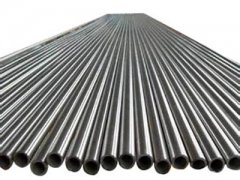
Precision cold drawn steel pipe
-
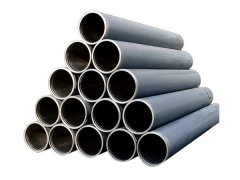
Precision cold drawn tube
-
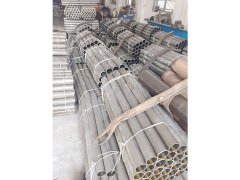
High precision cold drawn tube
-
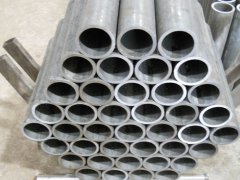
High precision cold drawn tube
2. Causes of bubbles
cold drawn tubeBubble-type peeling defects are mainly caused by the fact that the molten steel contains a high content of gas elements. The liquid steel gathers under the surface of the steel plate before condensation, forming subcutaneous bubbles. During the rolling process of the steel plate, after pressure, peeling defects are finally formed. It is generally believed that some honeycomb-shaped bubbles are prone to appear during the hot rolling process of steel plates. The reason for the formation of bubbles is that some relatively abundant elements such as oxygen, hydrogen, nitrogen, and carbon are enriched on the surface of the cast slab during the condensation of the cold-drawn pipe liquid steel. Under certain conditions, bubbles will form. The bubbles on the surface of the steel will be squeezed out by some force during the rolling process, resulting in skin defects.